Language Arts Curriculum
Early Elementary
Highly Recommended!
 I have been anticipating the release of this curriculum, and it is exactly what I hoped it would be! It has a perfect balance of comprehensive language arts instruction at a gentle pace; plus, it’s a beautiful book, with a strong Christian focus.
Each lesson begins with a story, poem, picture, or piece of Scripture, followed by questions for reading comprehension or observation skills, and narration practice as the student verbalizes what he/she heard, saw, or learned through the piece. Many of the stories follow two very likable Sunday school friends, Claire and Micah; and I love how the narration skills draw out empathy and thoughtfulness in many of the discussion questions. Many lessons end with a chance for the student to draw and/or write his/her own story.
The grammatical component starts with a review of basic skills: the alphabet, vowels and consonants, phonics, nouns/proper nouns and verbs, capitalization, punctuation, days of the weeks, and names of months. Then it moves into syllables, writing a full sentence, plurals, abbreviations, subject-predicate, subject-verb agreement, compound words, contractions, homophones, homonyms, a/an, tense, more advanced phonics and consonant blends, synonyms, antonyms, prefixes, suffixes, and root words, adjectives, demonstrative pronouns, writing and addressing a letter, and writing a psalm.
The final 100 or so pages of the book includes quizzes corresponding with each lesson, and a suggested grading rubric.
I love that this curriculum includes the full spread of language arts while utilizing a variety of learning styles and activities: hearing a story, copywork, writing (starting with simple words and progressing to sentences), sight word practice and reading, learning activities, puzzles, spelling (using boxes to show the shape of words), memorization (of short poems, Scriptures, and eventually all of 1 Cor. 13), and storytelling through writing and drawing. In the past we have done multiple L.A. curricula at once to cover all the bases. This is going to simplify our homeschool. The strong biblical foundation is also a huge blessing, as the Scripture and godly character is woven throughout.
Level Placement:
This language arts series is not grade based, but level based. This second book follows Master Books’ Foundations Phonics curriculum, and Basic Language Skills (early reading, early writing, and spelling) curriculum. I would put this at about a 1st grade level, but it really depends on the child; and I love the publisher’s emphasis on personal skill level rather than comparison.
I will be using this with my kindergartener, who has completed a phonics program, is an early reader, and enjoys copy-work and writing. It looks like the curriculum starts slow enough that he will be ready for it, along with the other reading and vocabulary work we will do in addition.
On Methodology:
We homeschool using a combination of Charlotte Mason and Classical methodologies (and will be starting Classical Conversations in the fall), with a strong focus on faith and discipleship. This curriculum is inspired by Charlotte Mason (narration, observation), and shares the memorization emphasis of the grammar stage of the Classical Trivium. It also has a slightly Traditional feeling with the workbook, tests, and open-and-go lesson plans in the front (but is much more interesting in its range of activities). This curriculum could easy complement any methodology as it is flexible and relaxed, yet comprehensive.
Explore Master Books’ website here.
I received a complimentary copy of this curriculum from Master Books.


 A pacifist Mennonite community agrees to take in stranded “Englischers” after an EMP attack; and together the community must find a way to survive the aftermath, while confronting their personal values and physical needs. Heroine, Leora Ebersole is caught in a love triangle between the Mennonite “boy-next-door” who has always loved her, and the attractive pilot who crashed his plane in her backyard during the EMP attack.


 The dystopian setting of the Authority City continues in this sequel to


 I have read and enjoyed several of Bill Johnson’s books, but this may be one of my new favorites.





























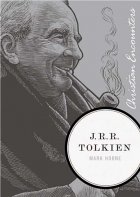 This biography of Tolkien’s life, writing, and faith is certainly interesting, though not as impressive as I had expected. Tolkien had a hard life. He experienced the loss of both parents and many friends, and had to work very hard to earn himself an education and to make enough to support his family. This biography was successful in capturing the essence of his life and character, but did not go above and beyond that mark.